
Hard water is something many homeowners live with every day without giving it much thought. You may notice spots on your dishes, soap that doesn’t lather as well, or fixtures that never seem to stay clean. What often goes unnoticed, however, is what hard water is doing behind the scenes—especially when it comes to tankless water heater maintenance in Georgetown, TX.
At Proverbs Plumbing, we regularly work in homes where the visible symptoms of hard water are just the tip of the iceberg. The real damage tends to happen inside pipes, water heaters, and appliances—long before a major plumbing problem shows up.
Understanding the effects of hard water can help homeowners protect their plumbing systems, avoid premature repairs, and make informed decisions about long-term solutions.
What Is Hard Water?
Hard water contains high levels of dissolved minerals, primarily calcium and magnesium. These minerals are naturally picked up as water moves through soil and rock before entering municipal systems or private wells.
Hard water isn’t harmful to drink, but it does behave differently from soft water. Those minerals don’t disappear once the water reaches your home—they remain in the water and begin interacting with your plumbing system the moment you turn on a faucet.
The Early Hard Water Effects Homeowners Often Notice
Most people first notice hard water effects through everyday frustrations rather than plumbing failures. You may see cloudy residue on glassware, scale buildup around faucets, or soap that leaves a film on sinks and showers. Laundry may feel stiff or fade faster, and shampoo often requires more effort to rinse out completely.
These issues are inconvenient, but they’re also warning signs. When mineral deposits are visible on fixtures, they’re already accumulating inside your plumbing system as well.
What Hard Water Is Doing Inside Your Pipes
The most serious hard-water effects occur where homeowners can’t see them. As hard water flows through your pipes, minerals slowly settle along the interior walls. Over time, this buildup reduces the effective diameter of the pipe, restricting water flow and increasing pressure in certain sections of the system.
In older homes or homes with galvanized or copper piping, this mineral accumulation can significantly shorten the lifespan of the plumbing. Even newer plumbing systems aren’t immune—buildup still occurs, just more slowly. At Proverbs Plumbing, we often find mineral scaling during inspections for low water pressure, recurring leaks, or unexplained plumbing inefficiencies.
Hard Water Effects on Water Heaters
Water heaters are among the most expensive parts of the home to suffer from hard water. As minerals separate from heated water, they settle at the bottom of the tank or coat internal components. This layer of scale acts as insulation between the heating element and the water, forcing the system to work harder to achieve the same results.
Over time, this leads to:
- Reduced heating efficiency
- Longer recovery times
- Increased energy usage
- Premature failure of heating elements
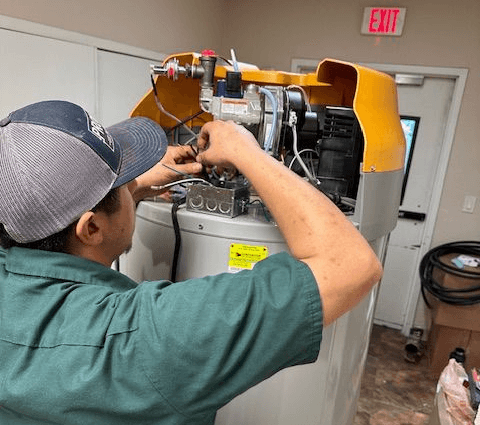
Tankless water heaters are especially sensitive to hard water effects. Without proper treatment or maintenance, mineral buildup can damage heat exchangers and reduce performance much faster than many homeowners expect.
Appliances and Fixtures Pay the Price Too
Hard water doesn’t stop at your plumbing system—it affects every appliance that uses water. Dishwashers, washing machines, coffee makers, and ice machines all experience internal scaling. This buildup reduces efficiency and increases wear, often leading to earlier replacement.
Fixtures are impacted as well. Faucet aerators clog more frequently, showerheads lose pressure, and valves can become stiff or unreliable. While these may seem like minor issues individually, they add up over time.
Why Hard Water Makes Cleaning Harder
One of the most frustrating effects of hard water is its interference with cleaning. Minerals react with soap, reducing its effectiveness and leaving behind residue. This means homeowners often use more soap, detergent, or cleaning products to achieve the same results.
Over time, this residue accumulates on surfaces, fabrics, and even skin. What feels like a cosmetic issue is actually a chemical reaction happening every day throughout the home.
Long-Term Costs of Ignoring Hard Water Effects
Hard water problems rarely fail all at once. Instead, they quietly increase operating costs and maintenance needs over time.
Higher energy bills, more frequent appliance replacements, plumbing repairs , and fixture maintenance all contribute to the long-term cost of hard water. Many homeowners don’t connect these expenses to mineral buildup until a major system fails.
From a plumbing perspective, addressing hard water early is far more cost-effective than waiting for repairs to become unavoidable.
Why Hard Water Is Common in Central Texas
Hard water effects are especially common in Central Texas due to the region’s geology. Limestone-rich soil contributes to higher mineral content in local water supplies, which is why many homeowners experience scale buildup even in newer homes.
Because these conditions are regional, hard water issues aren’t a reflection of poor plumbing or water quality—they’re simply part of the environment. The key is understanding how to manage them properly.
Identifying Hard Water in Your Home
While lab testing provides the most accurate results, many homeowners can identify hard water effects through everyday observations. Persistent scale buildup, reduced water pressure, frequent plumbing maintenance, or shortened appliance lifespan are all signs that mineral content may be affecting your system.
At Proverbs Plumbing, we help homeowners evaluate these symptoms and determine whether hard water is contributing to their plumbing issues.
Addressing Hard Water at the Source
Treating the symptoms of hard water—cleaning fixtures or replacing parts—can provide temporary relief, but it doesn’t solve the underlying issue. Long-term solutions focus on addressing hard water as it enters the home. Water softeners and filtration systems reduce mineral content before it can cause damage, protecting pipes, appliances, and fixtures throughout the entire system.
The right solution depends on water usage, household size, and existing plumbing conditions. There is no one-size-fits-all approach.
A Plumber’s Perspective on Hard Water Effects
From our experience, hard water effects are one of the most common contributing factors to premature plumbing wear. Homes that address mineral buildup early tend to experience fewer repairs, lower operating costs, and longer system lifespans.
At Proverbs Plumbing, we believe education is just as important as service. When homeowners understand what hard water is doing to their plumbing, they’re better equipped to make long-term decisions that protect their homes.
Protecting Your Home Moving Forward
Hard water doesn’t have to control the performance of your plumbing system. With the right understanding and the right approach, its effects can be managed and minimized. Addressing hard water early helps preserve your plumbing, protect your appliances, and improve everyday comfort throughout the home.
If you’re noticing hard water effects in your home or have questions about how mineral buildup may be impacting your plumbing system or tankless water heater maintenance in Georgetown, TX, Proverbs Plumbing is here to help. Reach out to our team to discuss your concerns and explore solutions tailored to your home and water.
 Our Location
 Call Us
 Email Us