At Proverbs Plumbing, we’ve seen firsthand how small plumbing problems can turn into major home issues when they’re left unnoticed. One of the most common — and costly — examples is mold caused by hidden plumbing leaks. Homeowners often associate mold with visible moisture or obvious water damage, but in reality, mold growth usually begins where you can’t see it.
That’s why mold prevention plumbing is such an important part of protecting your home. Identifying hidden leaks early can help prevent mold, preserve your home’s structure, and protect your family’s health.
Why Plumbing Plays a Bigger Role in Mold Than Most Homeowners Realize
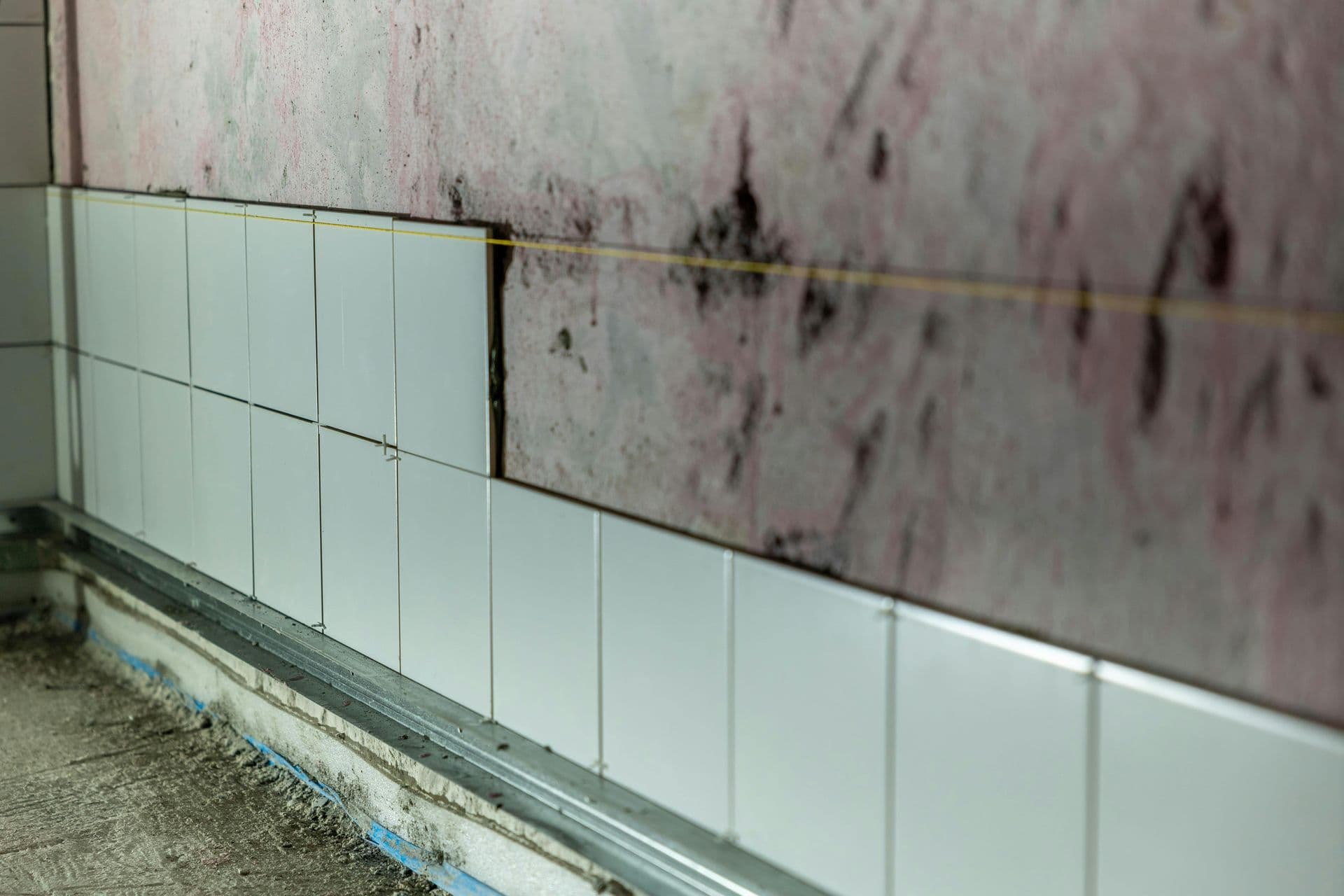
Mold needs just three things to grow: moisture, warmth, and time. Unfortunately, plumbing systems provide the perfect opportunity for all three. Water lines, drains, and fixtures run through walls, floors, and foundations — areas with limited airflow and little visibility. A slow leak behind drywall or under a slab doesn’t have to be dramatic to cause problems. Even a small, steady drip can keep building materials damp long enough for mold to take hold. This is why mold-prevention plumbing focuses on identifying moisture sources before mold becomes visible.
In Central Texas, where humidity levels are naturally higher, the risk increases even more. Moist environments promote mold growth, making early detection critical.
Common Hidden Plumbing Leaks That Lead to Mold
One of the biggest challenges with mold prevention plumbing is that many leaks develop quietly. Homeowners may not notice anything wrong until mold has already spread. Some of the most common hidden leak locations include:
Inside Walls
Supply lines and drain pipes often run through the walls of bathrooms, kitchens, and laundry rooms. A loose-fitting or aging pipe can leak slowly, soaking insulation and drywall without visible signs.
Under Floors and Foundations
Slab leaks are especially common in Texas homes. These leaks occur beneath the concrete foundation and can release moisture into flooring, baseboards, and walls over time.
Beneath Cabinets
Leaks under sinks don’t always pool where you can see them. Water can collect at the back of cabinets or seep into the subfloor, creating the perfect environment for mold growth.
Around Water Heaters
Water heaters are another frequent source of hidden leaks. A failing valve, corroded connection, or cracked drain pan can allow moisture to build up unnoticed.
Bathroom Fixtures
Toilets, tubs, and shower valves are common problem areas. Even a compromised wax ring or a worn valve seal can allow water to escape below the tile or into the surrounding framing.
How Small Plumbing Leaks Become Serious Mold Problems
Many homeowners delay addressing minor plumbing issues because they seem harmless. Unfortunately, mold prevention plumbing teaches us that time is the real enemy. Here’s how a small leak escalates:
- Moisture slowly saturates wood, drywall, or insulation.
- Mold spores activate and begin to grow.
- Mold spreads through porous materials.
- Structural damage begins to develop.
- Repairs become significantly more expensive.
Because mold grows out of sight, it often spreads extensively before homeowners notice odors, discoloration, or health symptoms.
Health Concerns Linked to Mold From Plumbing Leaks
Mold isn’t just a home maintenance issue — it’s a health concern. Exposure to mold spores can cause or worsen respiratory issues, allergies, and asthma. Children, older adults, and individuals with compromised immune systems are especially vulnerable. Some common symptoms linked to mold exposure include:
- Chronic coughing or congestion
- Headaches or fatigue
- Eye and throat irritation
- Worsening allergy or asthma symptoms
By investing in mold prevention plumbing, homeowners reduce the likelihood of prolonged mold exposure and help maintain a healthier living environment.
Why Mold Is Often Missed During DIY Repairs
We understand the temptation to tackle small plumbing issues yourself. While DIY repairs can sometimes address surface problems, they often miss the underlying cause of moisture buildup. For example:
- Tightening a fixture won’t help if a pipe is leaking inside the wall.
- Replacing caulk won’t stop water from escaping beneath tile.
- Painting over stains doesn’t remove trapped moisture.
Mold prevention plumbing requires experience, proper tools, and an understanding of how water moves through a home. Without professional inspection, hidden leaks can continue feeding mold even after surface-level fixes.
How Professional Plumbing Inspections Help Prevent Mold
One of the most effective ways to protect your home is through routine plumbing inspections. At Proverbs Plumbing, we approach mold-prevention plumbing by looking for early warning signs homeowners may overlook. A professional inspection typically includes:
- Checking the water pressure that could stress pipes
- Inspecting exposed plumbing for corrosion or wear
- Evaluating drain and vent performance
- Examining water heater connections and safety components
- Identifying moisture patterns that suggest hidden leaks
Using specialized detection tools, we can often locate leaks without unnecessary damage to walls or flooring — saving time, money, and stress.
Why Mold Prevention Plumbing Matters in Central Texas Homes
Homes in Georgetown and the surrounding areas face unique challenges. Seasonal humidity, soil movement, and slab foundations all contribute to increased plumbing stress over time. Even newer homes can develop leaks as materials expand and contract with temperature changes. Older homes may be especially vulnerable due to aging pipes and outdated materials. Proactive mold prevention plumbing helps homeowners stay ahead of these issues and avoid costly repairs down the road.
Warning Signs of a Hidden Plumbing Leak
Not all leaks are immediately obvious, but there are warning signs homeowners should never ignore:
- Unexplained spikes in water bills
- Musty or earthy odors in certain rooms
- Warped flooring or soft spots
- Discoloration on walls or ceilings
- Reduced water pressure
If you notice any of these issues, it’s best to have a professional plumber investigate before mold has a chance to spread.
Preventing Mold Starts With Proactive Plumbing Care
The most effective mold prevention plumbing strategy is prevention. Addressing small issues early can save homeowners from major repairs later.
Helpful preventative steps include:
- Scheduling annual plumbing inspections
- Monitoring areas under sinks and around fixtures
- Addressing leaks immediately, no matter how minor
- Ensuring proper drainage and ventilation
Proactive care not only protects your home but also extends the life of your plumbing system.
Protect Your Home With Mold Prevention Plumbing
Hidden plumbing leaks are among the most common causes of mold in homes — and among the easiest to overlook. Mold prevention plumbing helps stop mold at its source by addressing moisture issues before they become serious problems.
At Proverbs Plumbing , we believe in honest inspections, clear communication, and preventative solutions that protect your home and your family. If you suspect a hidden leak or want to take a proactive approach to preventing mold, we’re here to help. Contact us today to schedule a professional plumbing inspection and protect your home from hidden moisture and mold damage.
 Our Location
 Call Us
 Email Us