
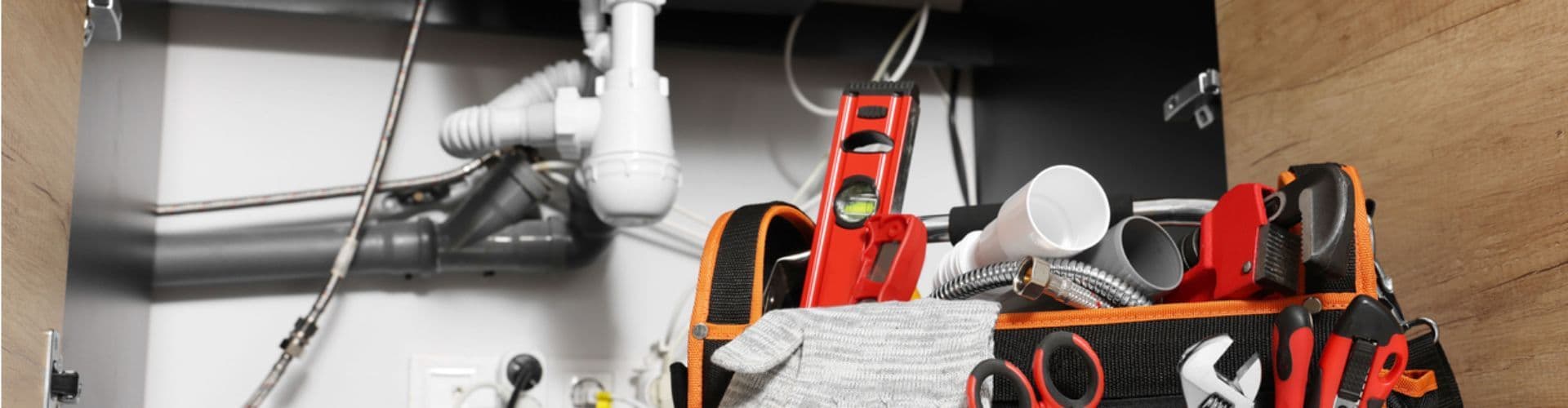
Hard water leaves scale on fixtures, shortens the life of water heaters, and makes soap work harder, which is why so many Central Texas homeowners look into a water softener. This guide explains how a softener is sized, where it goes, and what happens on installation day. Proverbs Plumbing installs water softeners for homes in Georgetown, TX and the surrounding communities.
A water softener installation starts with a hardness test and correct sizing. The softener is then connected to the main water line where it enters the home, with a bypass valve, a drain line with an air gap, and a brine tank. Proverbs Plumbing in Georgetown, TX handles the full installation, then programs and tests the system.
How Does a Water Softener Work?
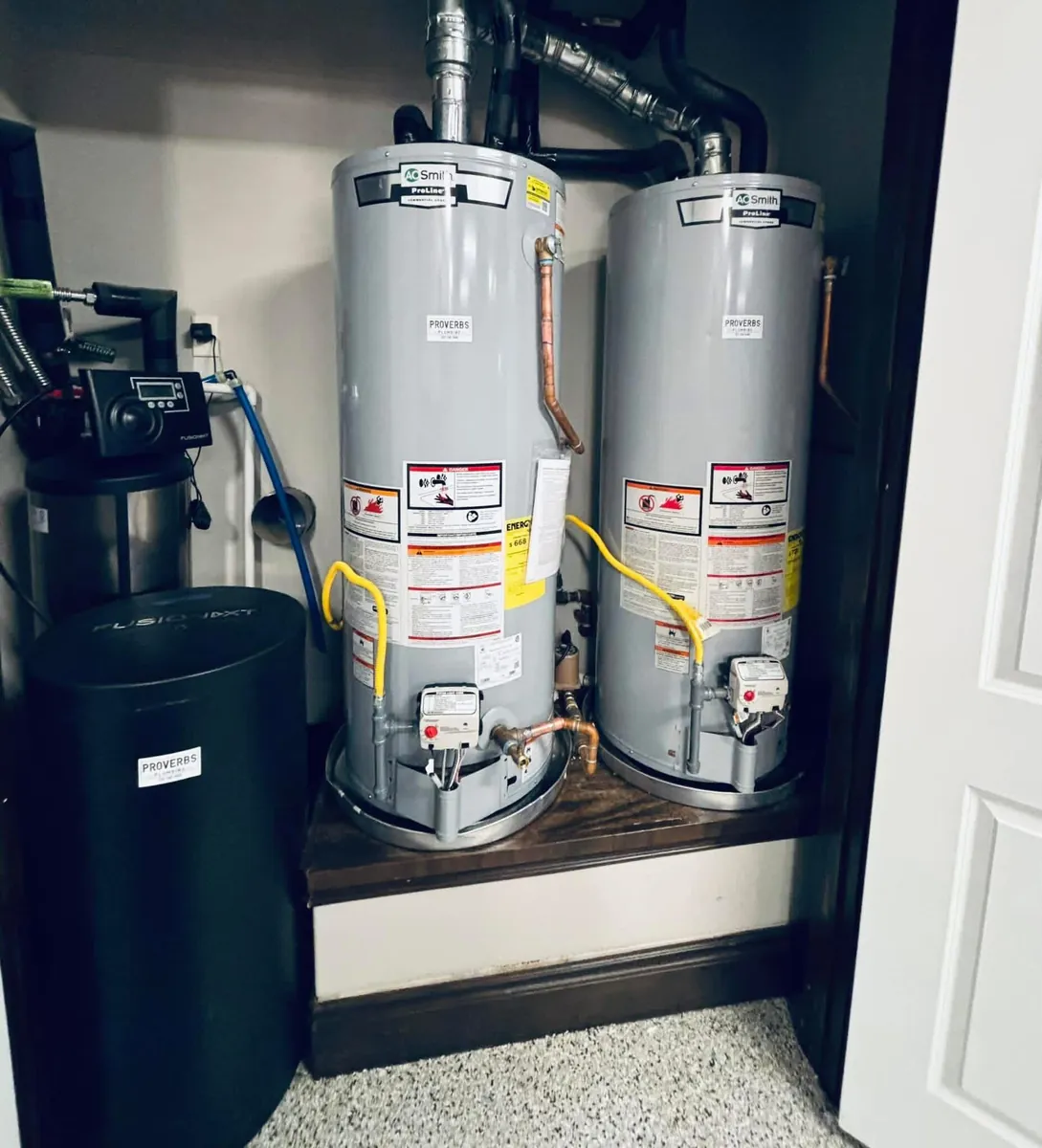
A water softener removes the calcium and magnesium that make water hard by trading them for sodium or potassium inside a tank of resin beads. When the resin fills up with minerals, the system regenerates: it rinses the resin with salt water from the brine tank and sends that rinse water to a drain. That is why every installation needs three connections: hard water in, softened water out, and a drain.
How Is a Water Softener Sized?
A water softener is sized by multiplying your water hardness by the amount of water your household uses each day. Hardness is measured in grains per gallon, and one grain per gallon equals about 17.1 milligrams per liter. A plumber typically looks at:
- Water hardness: a test of your tap water, or the hardness figure in your water utility's annual water quality report.
- Household size: more people means more gallons softened each day and more frequent regeneration.
- Bathrooms and peak flow: homes with several bathrooms need a unit that keeps up when more than one shower runs at once.
- Other water issues: sediment or iron may call for a filter ahead of the softener.
An undersized softener regenerates too often and wastes salt and water, while an oversized one costs more than your home needs. Central Texas sits on limestone, so hard water is common across Georgetown and Williamson County. Our article on hard water effects on your home and plumbing explains what those minerals do inside your pipes.
Where Does a Water Softener Go?
A water softener goes on the main water line after it enters the house and before the line branches to the water heater and fixtures, so the whole home gets softened water. In many Central Texas homes that spot is the garage.
- Softener loop: many newer homes are built with a softener loop, a pre-plumbed inlet and outlet in the garage that makes connecting a softener simpler.
- No loop: older homes may need new piping run from the main line to the softener location and back.
- Drain and power: the spot needs a nearby drain for the regeneration rinse water and an outlet for the control valve.
- Outdoor spigots: many homeowners keep hose bibs on unsoftened water for the lawn and garden, depending on how the house is plumbed.
What Happens on Installation Day?
On installation day the plumber shuts off the water, connects the softener to the main line, and tests the system before it goes into service. A typical installation follows these steps:
- Step 1: Shut off the water. The main supply is turned off and the line is drained at the connection point.
- Step 2: Install the bypass valve. A bypass lets you send water around the softener for service without shutting off the whole house.
- Step 3: Tie into the main line. The softener's inlet and outlet are connected to the softener loop or to new piping.
- Step 4: Run the drain line. The rinse water discharges to a drain through an air gap, so wastewater cannot be pulled back into the water supply.
- Step 5: Set up the brine tank. The overflow line is connected and the tank is filled with softener salt.
- Step 6: Program and test. The control valve is set for your hardness and household size, the connections are checked for leaks, and a manual regeneration confirms the system works.
In Texas, connecting water treatment equipment to a home's water supply is regulated work for a licensed plumber or a licensed water treatment specialist. Proverbs Plumbing is led by a Texas Responsible Master Plumber, and our water filtration and water softener services cover softeners, reverse osmosis, and whole house filtration.
What Should You Do After a Softener Is Installed?
After installation, the main job is keeping salt in the brine tank and letting the system run on its schedule. Check the salt level about once a month and refill it before the tank runs low. Softened water also helps protect tankless water heaters, which are sensitive to scale on their heat exchangers, and tank-type water heaters, where minerals settle as sediment at the bottom of the tank. Our post on the benefits of a home water softener covers the everyday differences homeowners notice.
Frequently Asked Questions
How long does a water softener installation take?
It depends mostly on whether your home already has a softener loop. Connecting to an existing loop is much simpler than running new piping from the main line, and a plumber can give you a realistic timeline after seeing your setup.
Do I need a plumber to install a water softener in Texas?
In most cases, yes. Texas regulates connecting water treatment equipment to a home's water supply, and that work is done by a licensed plumber or a licensed water treatment specialist.
Can a water softener be installed without a softener loop?
Yes. A plumber can tie into the main water line and run piping to the softener location and back, which adds work compared with a pre-plumbed loop.
Does a water softener need a drain?
Yes. Each regeneration cycle sends rinse water to a drain, so the softener needs a drain connection with an air gap nearby, plus an electrical outlet for the control valve.
Does a water softener purify drinking water?
No. A water softener reduces hardness minerals, but it is not designed to remove chlorine, sediment, or other contaminants. Many homes pair a softener with carbon filtration or a reverse osmosis system at the kitchen sink.
Does Proverbs Plumbing install water softeners in Georgetown, TX?
Yes. Proverbs Plumbing installs water softeners and water filtration systems for homes in Georgetown, TX and nearby Central Texas cities. Call (512) 240-4401 to schedule.
Softer Water Starts with the Right Installation
A water softener installation comes down to three things: sizing the unit to your water and household, placing it on the main line with a bypass and a proper drain, and programming it correctly. Done right, softened water reaches the whole home and helps protect your water heater and appliances from scale. Proverbs Plumbing handles each step for homeowners across Georgetown, TX.
Schedule Water Softener Installation with Proverbs Plumbing
Tired of scale on your fixtures or worried about hard water wearing down your water heater? Call Proverbs Plumbing at (512) 240-4401 or email proverbsplumbing@gmail.com for an honest assessment and a transparent estimate. Our licensed team serves Georgetown, Round Rock, Cedar Park, Leander, Hutto, Pflugerville, and nearby Central Texas communities.
 Our Location
 Call Us
 Email Us